Bike mechanics are the forgotten trade.
A bike now carries a motor, a battery, firmware and hydraulic brakes, and for a lot of people it's how they get to work. Many of the mechanics who keep them running still work from paper tags, a whiteboard and a phone that never stops. Electricians, plumbers, carpenters and HVAC technicians fixed that years ago. Bike workshops can borrow what they built.
From the team behind Tune Cycles · 10 mechanics · Sydney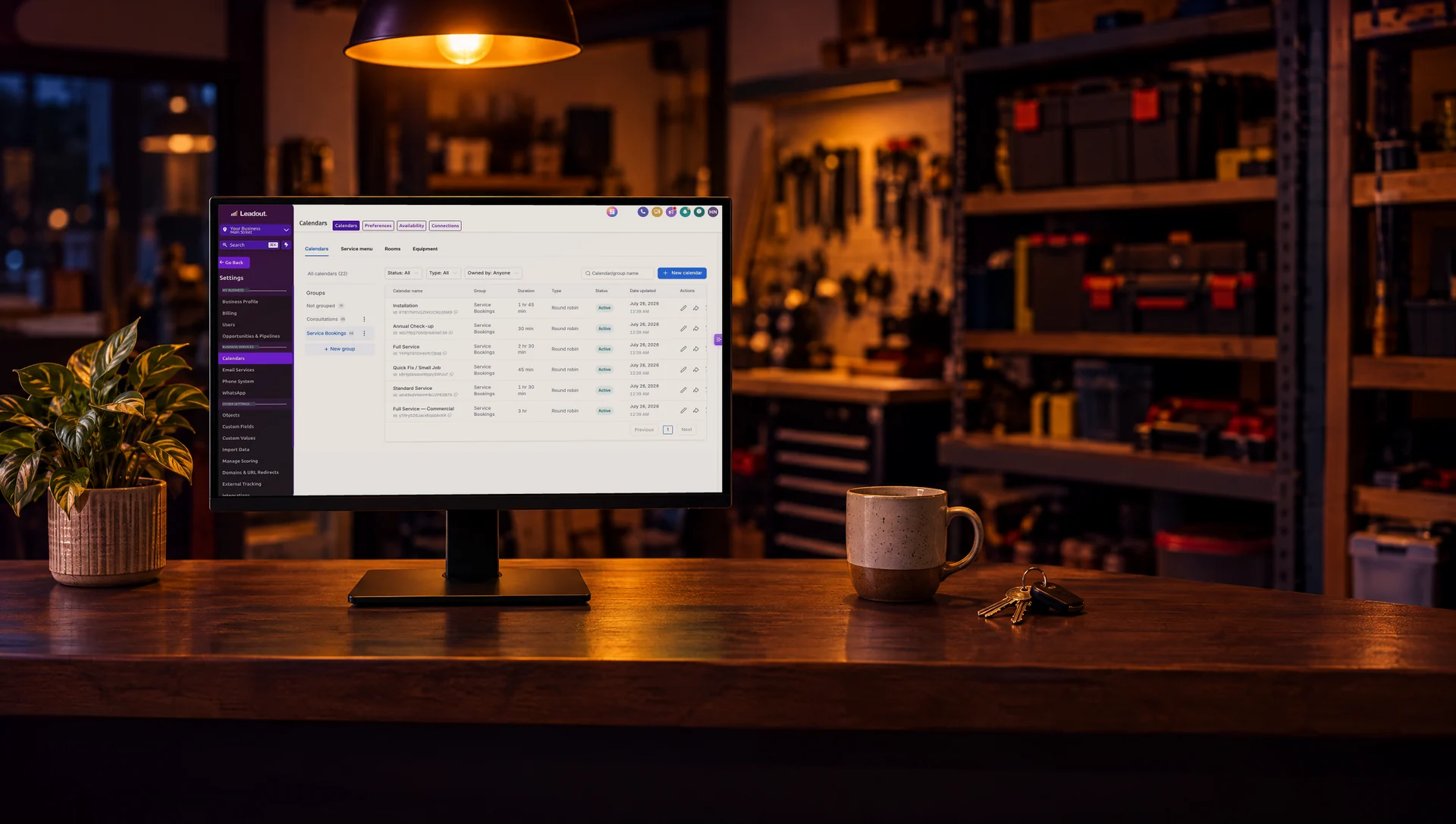
The bike grew up. The workshop didn’t.
A service used to be cables, bearings and a wheel true. Now the bike on the stand might need a laptop.
Motors, batteries and firmware
eBikes come with a motor, a battery, a charger and diagnostics that run through the maker's dealer software, with firmware to keep up to date.
Shifting with a battery
Electronic groupsets pair, charge and update like a phone. A flat battery is now a reason a bike won’t change gear.
Hydraulics everywhere
Disc brakes, dropper posts and suspension all carry oil, seals and service intervals, counted in hours of riding.
More standards, more parts
Axles, freehubs, bottom brackets and brake mounts come in more standards than ever, and the workshop has to know and stock them.
A bike is still simpler than a ducted air-conditioning system. But Tune Cycles holds Bosch and Shimano STEPS eBike certifications, training a bike mechanic never needed when bikes had no motor, and riders now expect a trade’s service.
eBikes, mowers, motorbikes. One skill set.
The skills for eBike repair, small motor repair and motorcycles have never been this similar. Batteries, motors, controllers and diagnostic software now sit in all three.
Batteries
Testing, charging and storing lithium packs safely, and telling a tired cell from a faulty charger.
Motors and controllers
Finding the fault between motor, controller and sensor, whether it’s on a bike, a mower or a motorbike.
Diagnostic software
Plugging into the maker’s software to read errors, run tests and update firmware.
Wiring and connectors
Following a loom, finding the broken connector and fixing it properly.
Hydraulic brakes
Bleeds, pads and rotors, serviced to the maker’s intervals on bikes and motorbikes alike.
Safety checks on record
Battery, brakes and electrics checked and written up before the machine goes back to its owner.
A two-stroke still needs its carburettor cleaned, and a road bike still needs a wheel true. But the electric side of all three draws on the same skills now, and needs the same records of the work.
The bike is how people get around.
For commuters, families and delivery riders, a bike off the road is a week of other transport, or lost income. That makes servicing an essential service, and it should be run like one.
Commuters
The bike is the trip to work. A week in the workshop is a week on the bus.
Families
Cargo bikes carry kids and the shopping. When one is off the road, the school run changes.
Delivery riders
For riders who earn on the bike, a day off the road is a day without pay.
Plumbers learned long ago what a slow job costs the customer. Bike workshops are learning it now.
Four trades. Four habits worth borrowing.
Each trade solved a problem bike workshops still have. Job systems such as ServiceM8 and Simpro were built around these habits.
Test it. Record it.
Electrical work ends with tests and a certificate, and the record stays on file. In the workshop: an eBike safety check (battery, brakes, motor errors) recorded against the bike, so the next mechanic sees it.
The van knows the job.
A plumber’s job arrives with the address, the problem and the parts before the van leaves. In the workshop: mobile mechanics dispatched the same way, and bench jobs that arrive with the bike’s history attached.
Quote first. Price the changes.
Carpenters quote with options, get approval in writing and price variations before the work. In the workshop: builds and big repairs quoted with photos, approved by text, and the “while you’re in there” parts priced before they go on.
Every unit on a register.
HVAC businesses keep every unit on a register with its service history and due date, and book the visit before it fails. In the workshop: every customer’s bikes on file, with a reminder when each one is due.
None of this is new. Trades have run it for years. It’s new to bikes.
From first call to next service.
- 01
The enquiry becomes a job
A call, a web form or a chat lands as a job, with the customer and their bike attached. Nobody retypes it.
- 02
The bike is on file
Make, model, serial and every past job, so the mechanic knows what was done last time.
- 03
Approved before the spanner turns
A quote with photos goes by text, and the customer approves it before the work starts.
- 04
The customer hears from you
Booked, on the stand, ready. Texts go out as the job moves, so the phone rings less.
- 05
Signed off and booked again
Paid, reviewed, and a reminder lined up for the next service.
We run what we automate.
Tune Cycles is our own business: 10 mechanics, a Marrickville workshop and mobile servicing across Sydney, rated 4.7 stars from 601+ Google reviews. It runs on ServiceM8, GoHighLevel, Fieldd, Neto and Xero, joined by a hub we built and run every day.
Website, CRM, ServiceM8, bookings and Xero kept in step by one sync that runs every three minutes.
Enquiries into jobs, paid invoices onto the CRM, calls onto job notes, a daily Xero check, and more.
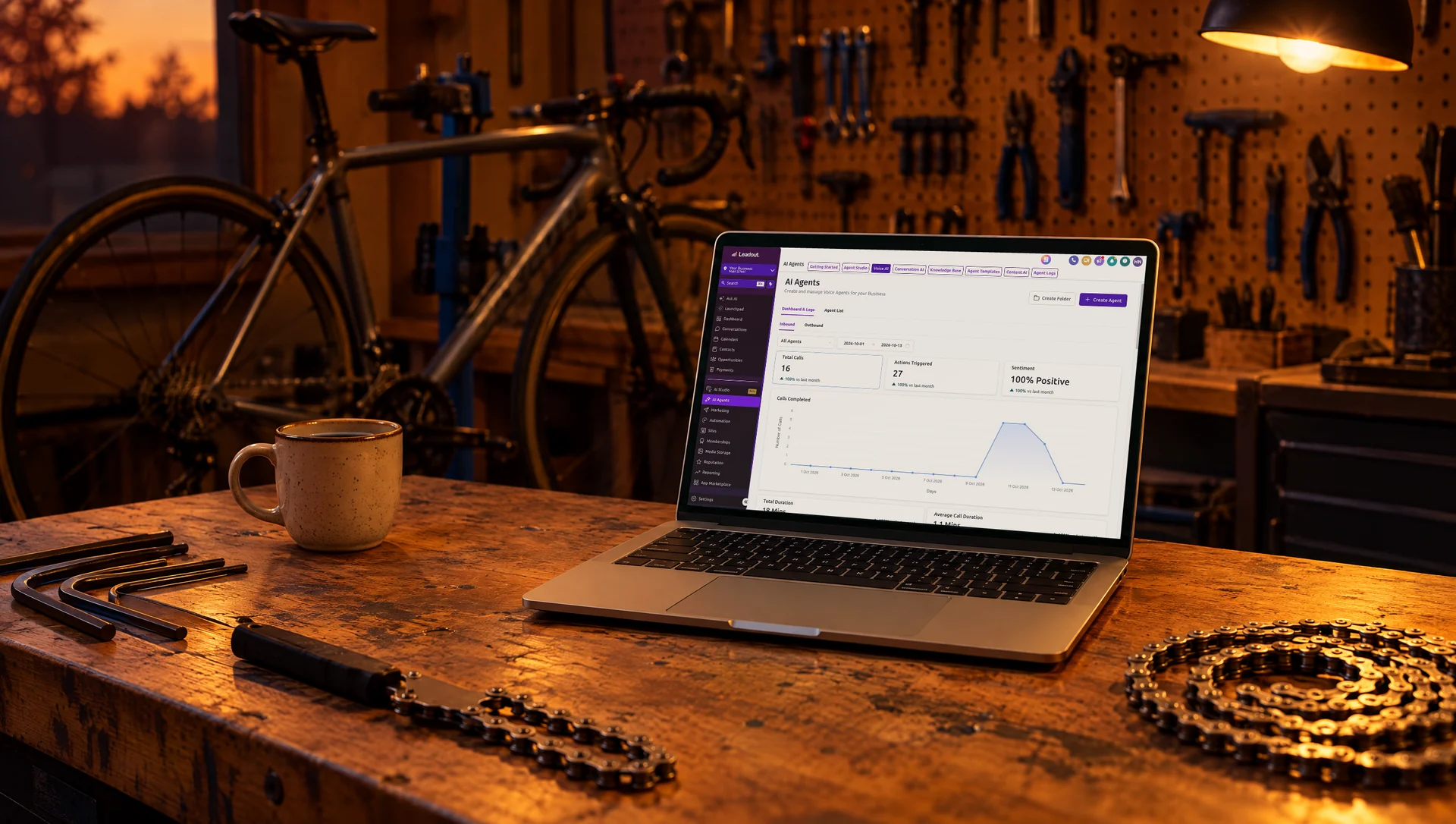
An AI voice agent answers when the workshop is closed, and knows each caller's bikes on file.
API calls to answer a revenue question from ServiceM8: about 28 minutes down to about 3, in a two-case test.
It isn't finished. The chat-to-booked-job path is the next build, and we'll say so when it's live.
Forgotten trade questions.
Do we need trade software, or bike workshop software?+
Either can work. What matters is one record per customer, per bike and per job. Tune Cycles runs ServiceM8, a job system built for trades. We also work with Lightspeed, Square and others: see Workshops.
Is this overkill for a small workshop?+
Start with one habit. Most workshops begin with bikes on file or job texts, whichever saves the most time on the phone.
Does this apply beyond bikes?+
Yes. Mower, small-engine and motorbike workshops share the skills now, and the same need for one record per machine and per job. See Workshops.
Does it suit mobile mechanics?+
That’s where it fits best. A mobile mechanic is a tradie with a van: jobs, addresses, parts and a schedule that changes every day.
Where does AI come in?+
Once the jobs are in one system, AI can answer “is my bike ready?”, book the next service and take after-hours calls from the same records. Without the system, it has nothing to read. See voice, chat and IVR.
Run your workshop like a trade.
Fifteen minutes. Tell us how a job moves through your workshop today, and we'll show you what the trades do differently.
Hayden Nosatti · Leadout · Sydney